Facilities
Sociocultural Context
Sevilla Reggio Emilia School is housed in a well-preserved historic building in Seville, near Barqueta Bridge, at Calle Torneo 21, 41002. In 1990, Seville demolished the wall along Torneo Street, opening one of the city’s main streets to the future. This allowed the city to rediscover its river and the Isla de la Cartuja on the opposite bank, which later hosted the famous 1992 Universal Exposition for six months.
The school is located in an emblematic area of the city center, between Alameda de Hércules and Barqueta Bridge, which connects the city center with Isla de la Cartuja. It is an area of medium-high cultural level, fairly densely populated, and welcoming to both tourists and international families.
Space as a Third Educator
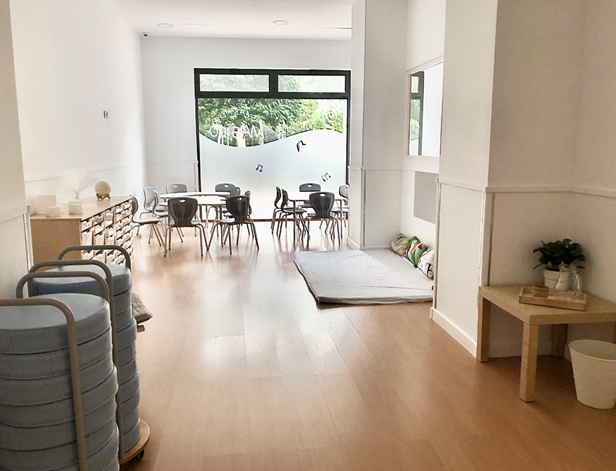
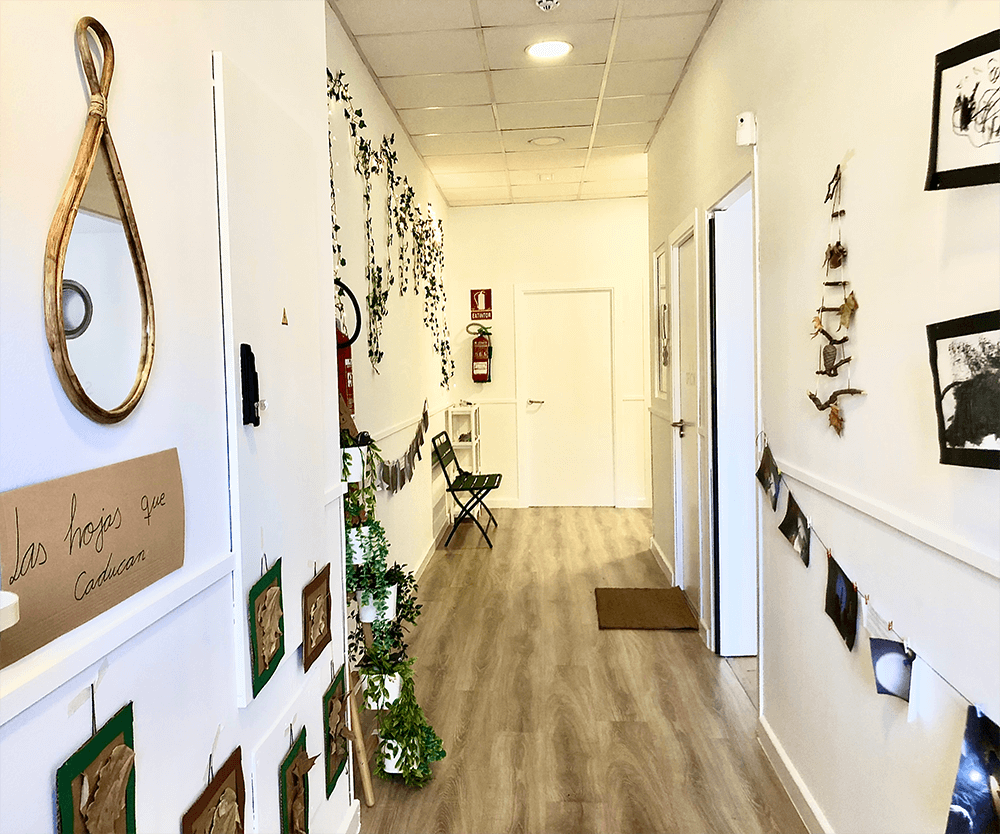
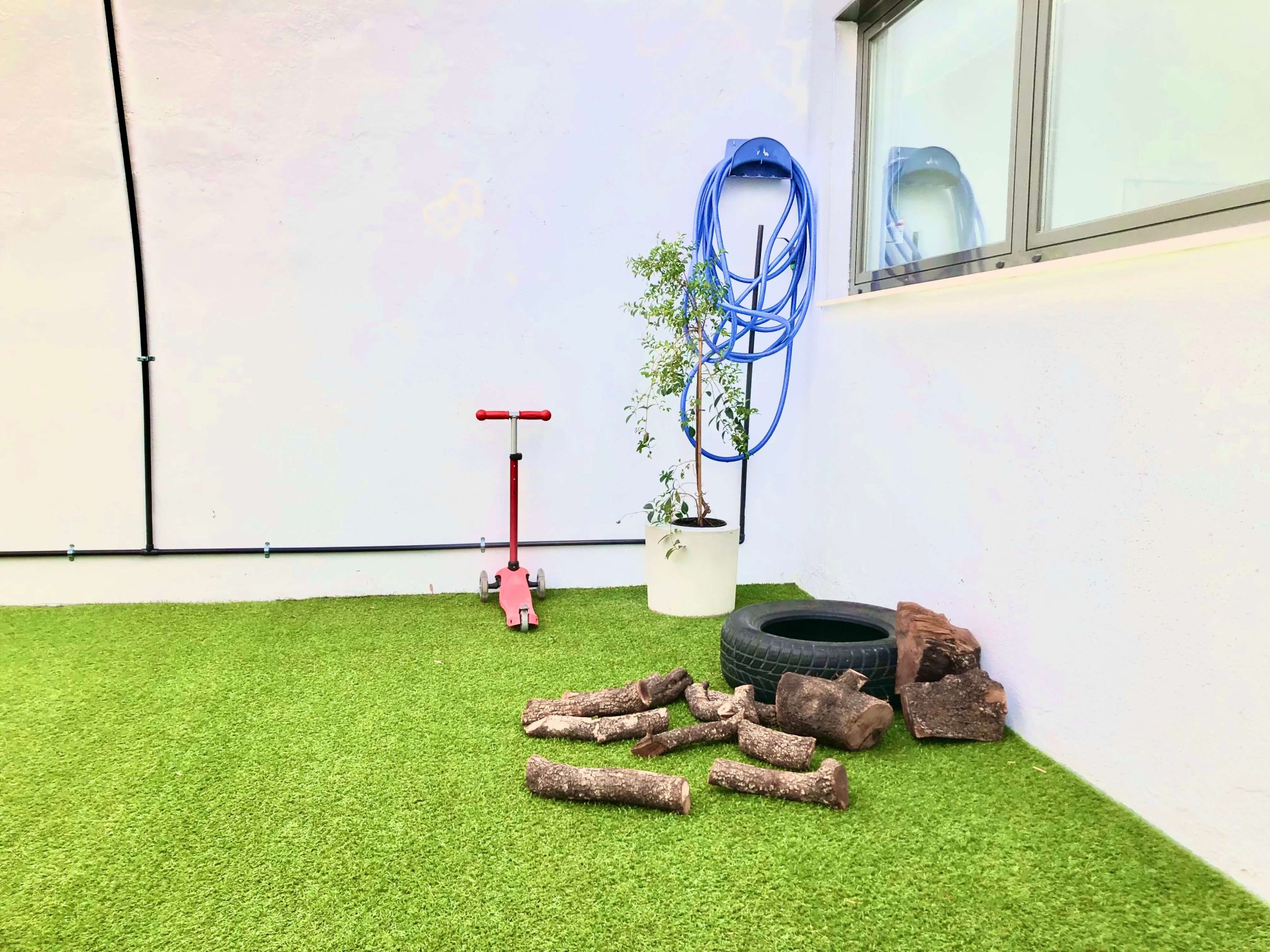
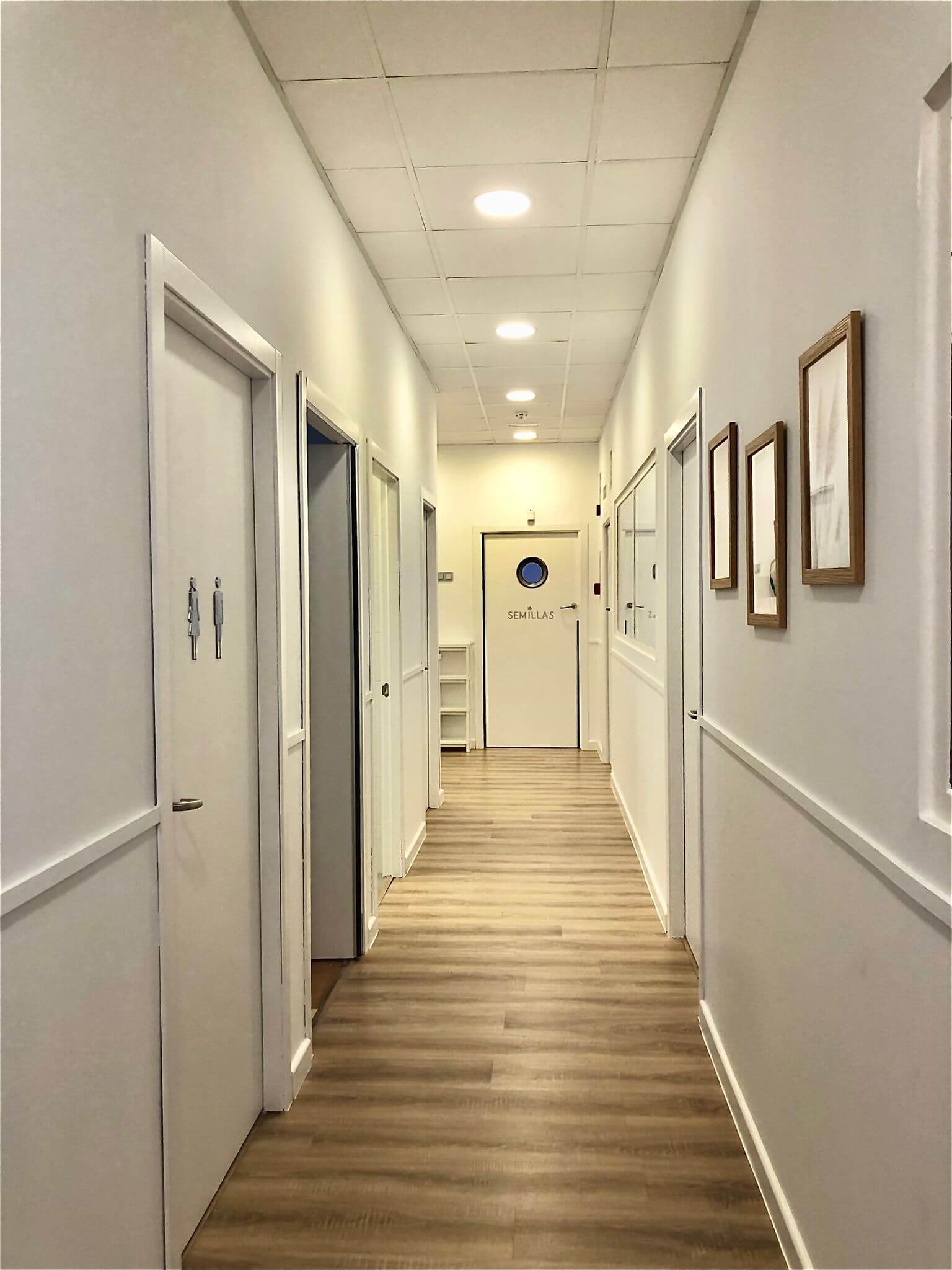
The school views its spaces as active participants in education. Each area is carefully designed, breaking from traditional roles such as classrooms, laboratories, gyms, dining rooms, or recreational areas. All rooms receive abundant natural light, allowing students to observe changes in the weather and seasons. The aesthetics are closely connected to nature, creating a calm environment that encourages sustainable learning.
The design of the school’s spaces is inspired by Rosan Bosch’s architectural principles, aimed at promoting concentration and learning:
- Mountaintop: A space where a person can address a group and share ideas, perspectives, and knowledge. The speaker interacts with the audience, taking on the role of a guide rather than a traditional teacher.
- Cave: Small spaces for individual focus and reflection. These areas offer tranquility without complete isolation, designed for one or two students away from high-activity zones.
- Corro: Spaces for small group activities. These areas allow children to work collaboratively, engage in dialogue, and develop teamwork skills.
- Manantial: Informal spaces and circulation areas. Here, spontaneous interactions can generate unexpected ideas, surprises, and knowledge, fostering collaboration and creativity.
- Hands-on: Spaces that provide a nonverbal dimension to learning, linking theory and practice, body and mind, perception and play, making learning more meaningful and motivating.
- Up!: Integrates movement naturally into all areas. Physical activity energizes learning and develops essential skills, regardless of the subject being studied.
Main goal
To provide a school environment that is beautiful, comfortable, and aesthetically pleasing, offering high-quality alternative education in both Spanish and English for kindergarten, elementary, and junior high students, aligned with 21st-century neuroscience insights.