Risk-based pedagogy: learning to explore with confidence
In a society that is increasingly concerned with safety, the concept of ‘Risk Education’ is essential. This philosophy is not based on a ‘anything goes’ approach, but on a deep understanding of child development and the importance of allowing children to face minor everyday risks in a controlled manner.
Risk is part of life
Human beings are naturally curious from the moment they are born. Children explore, try things out, make mistakes and try again. However, if adults constantly interrupt this process with phrases such as ‘Be careful!’ or ‘You’re going to fall!’, these warnings end up becoming barriers that hinder learning, independence and development.
It is important to recognise the difference between risk and danger. Danger implies almost certain harm; risk, on the other hand, is the probability of something happening. This is where the adult’s role as an observer and guide comes in. For example, before allowing a child to climb a tree, the adult assesses: What is the likelihood of a fall? What sort of harm could it cause? The pedagogy of risk leaves nothing to chance; rather, it involves calculation, reflection and support.
The benefits of knowing how to manage risk
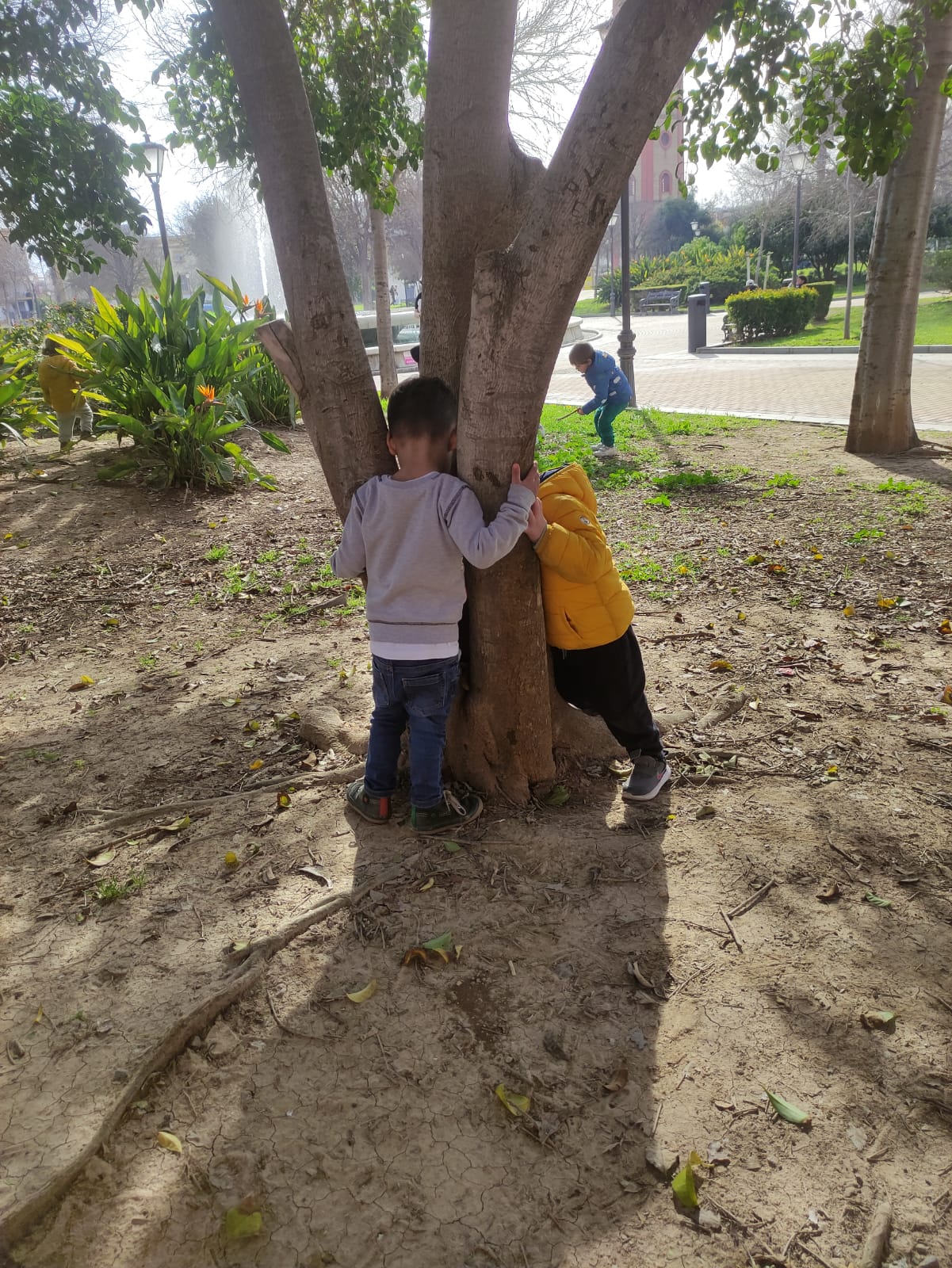
When adults supervising children allow and appropriately support small risks, they are enabling contact with the real world. Whilst traditional educational institutions tend to design environments that are ‘safe’ to the extreme, eliminating any possibility of risk, schools that embrace this pedagogy offer contexts rich in authentic experiences. This means that children can get dirty, climb, handle tools or simply play freely.
This brings numerous benefits: In the words of Paulo Freire, a leading figure in this educational approach, “risk is a consequence of true freedom and creation”. He himself speaks of an indissoluble connection between wonder, risk and the ability to transform the world.
- Autonomy is strengthened.
- Creativity is stimulated.
- Emotional regulation is developed.
- The ability to ask questions is fostered.
- Children learn to make decisions, weigh up consequences and trust themselves.
To allow to develop
We are facing a paradox: today’s children are overprotected, yet at the same time more disconnected from their own bodies, from nature and from real-life experience.
The pedagogy of risk does not suggest putting them in danger, but rather reconnecting with what is essential: learning by doing, making mistakes and discovering things freely.
This requires trained adults who have the necessary tools to guide situations and activities in a responsible and proactive manner.