
How is learning approached in a Reggio school at the preschool, elementary, and secondary levels?
Reggio Emilia is an educational philosophy based on active inquiry, in which children and adolescents are viewed as citizens capable of constructing complex knowledge. At each stage, the approach is adapted to combine academic rigor with creative exploration.
Principles of the Reggio Emilia Approach in Early Childhood, Elementary, and Secondary Education
Core pillars:
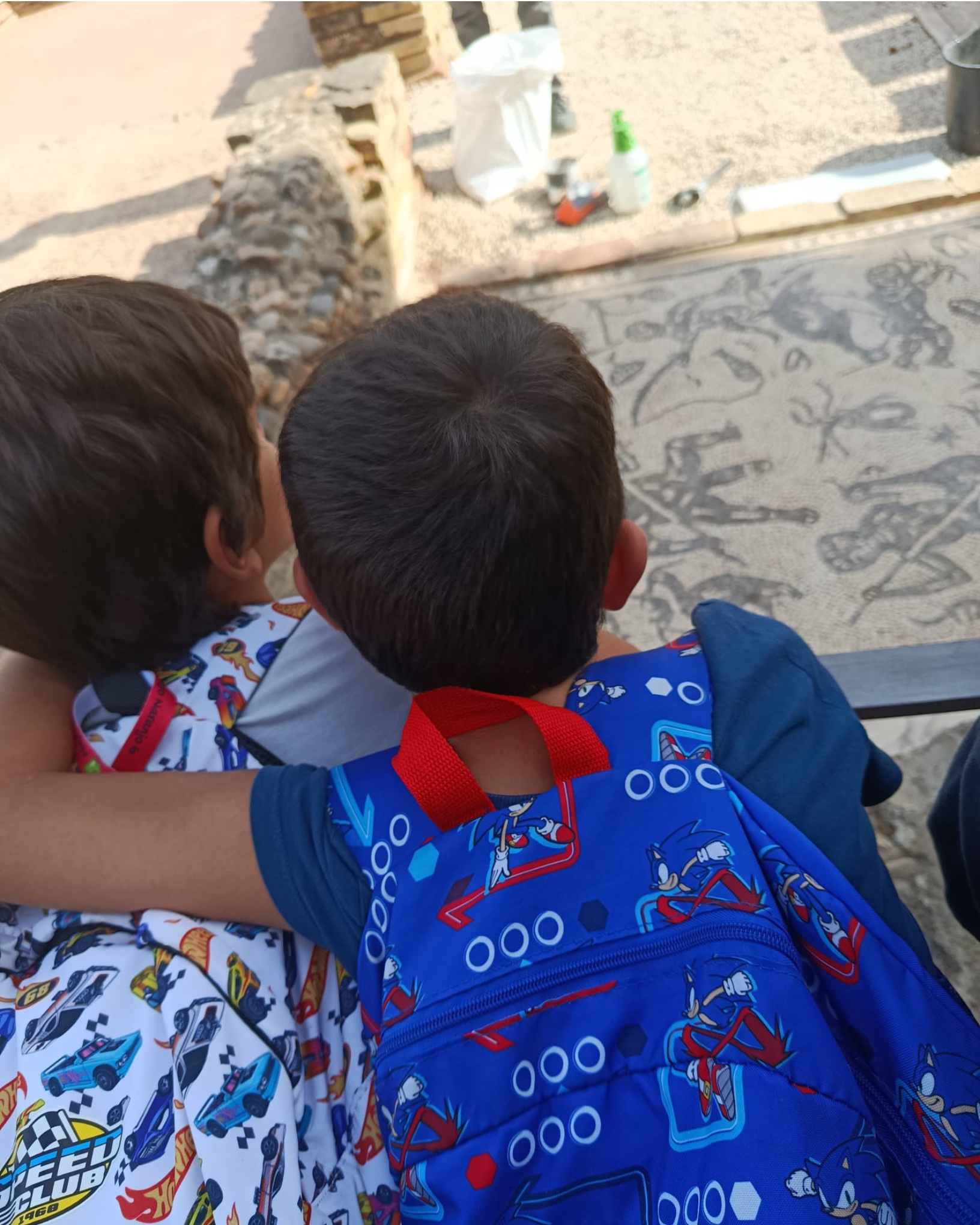
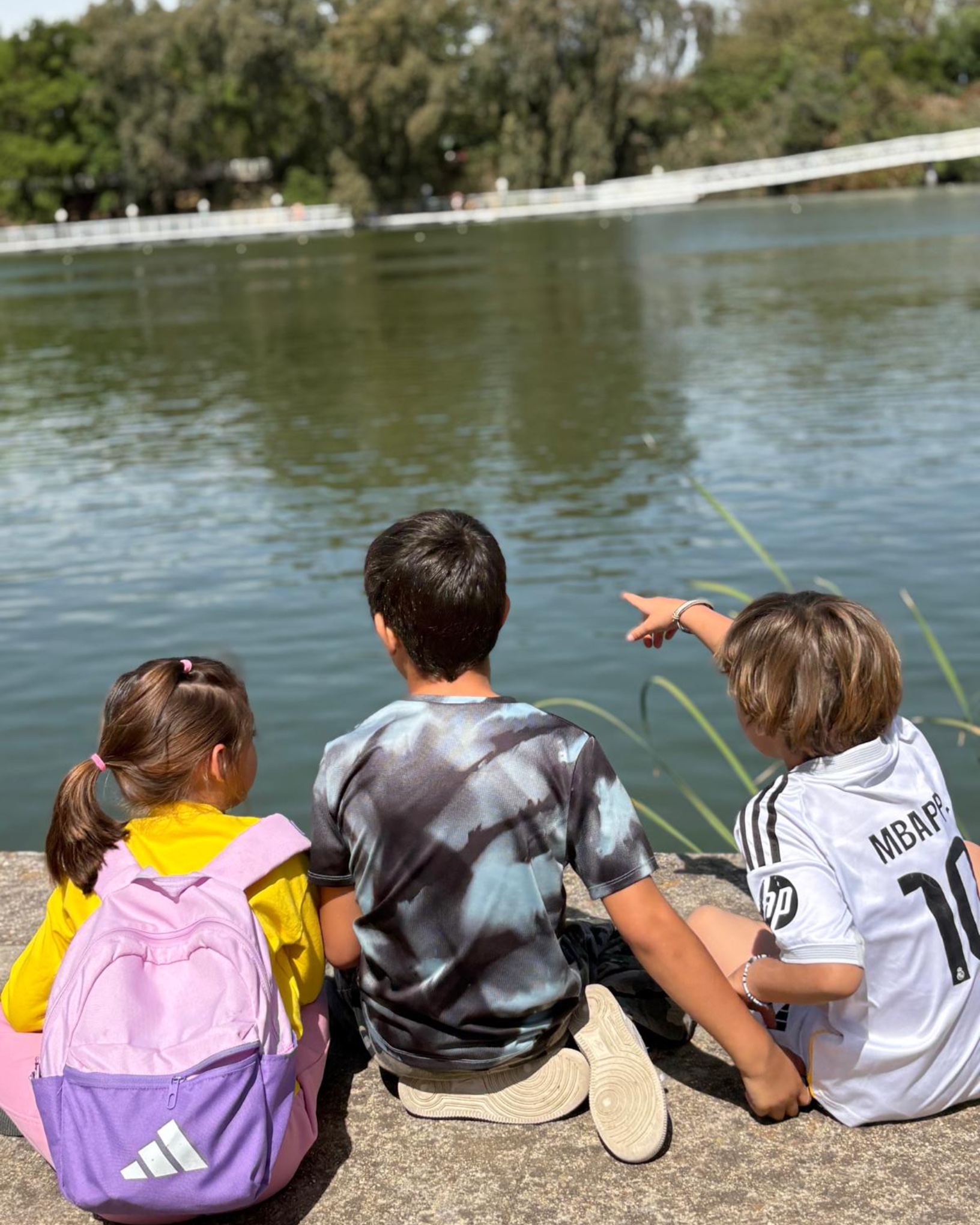
- Research Projects (ABP): Learning arises from authentic questions posed by teachers and students about the real world, organically integrating different disciplines (science, arts, technology). The environment is designed to encourage the emergence of the questions necessary to acquire the relevant curricular knowledge. But rather than providing answers in advance to questions that students have not yet asked, the process prompts the emergence of those questions so that students, guided by teachers, can conduct their own research to find the answers.
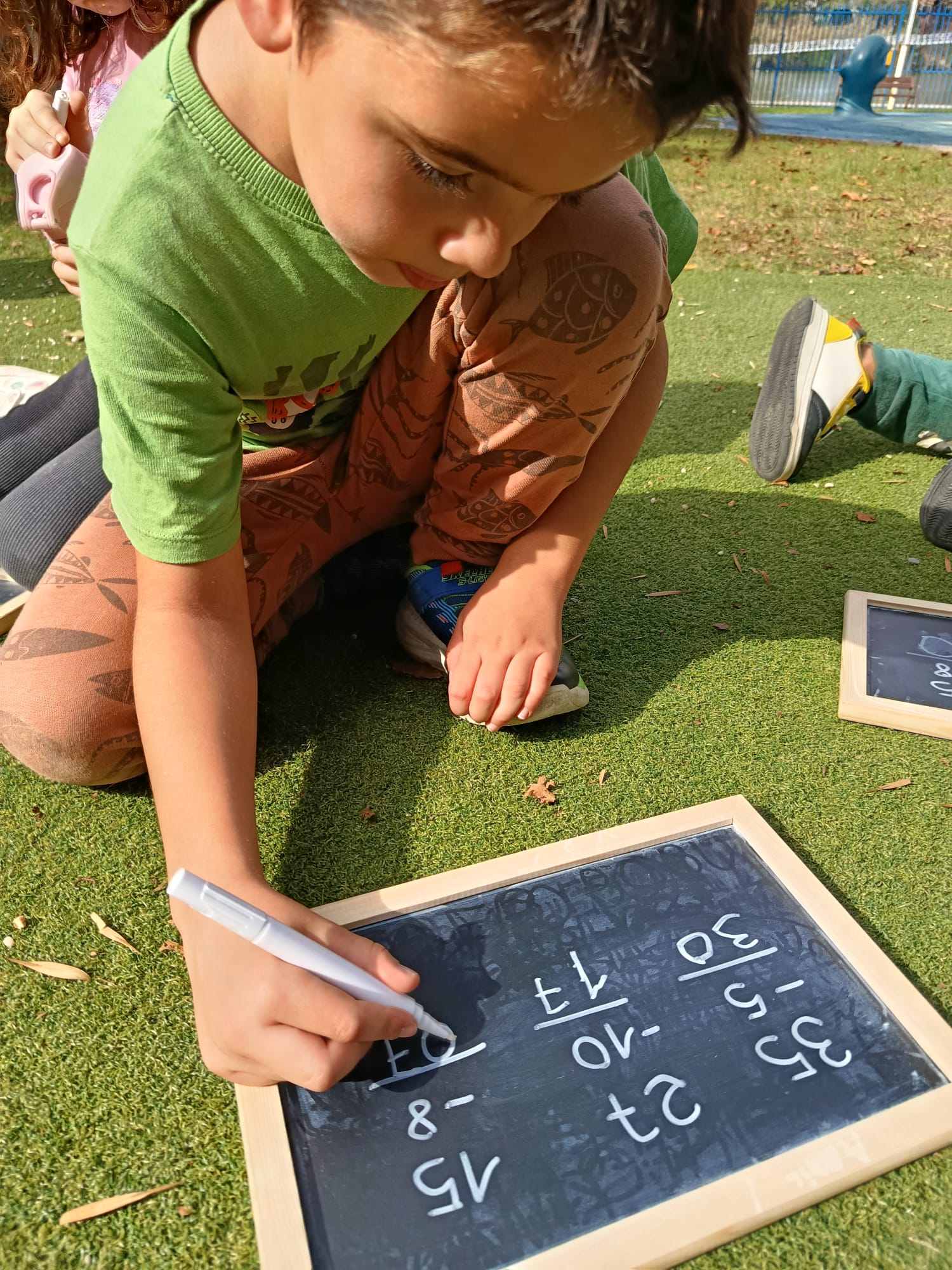
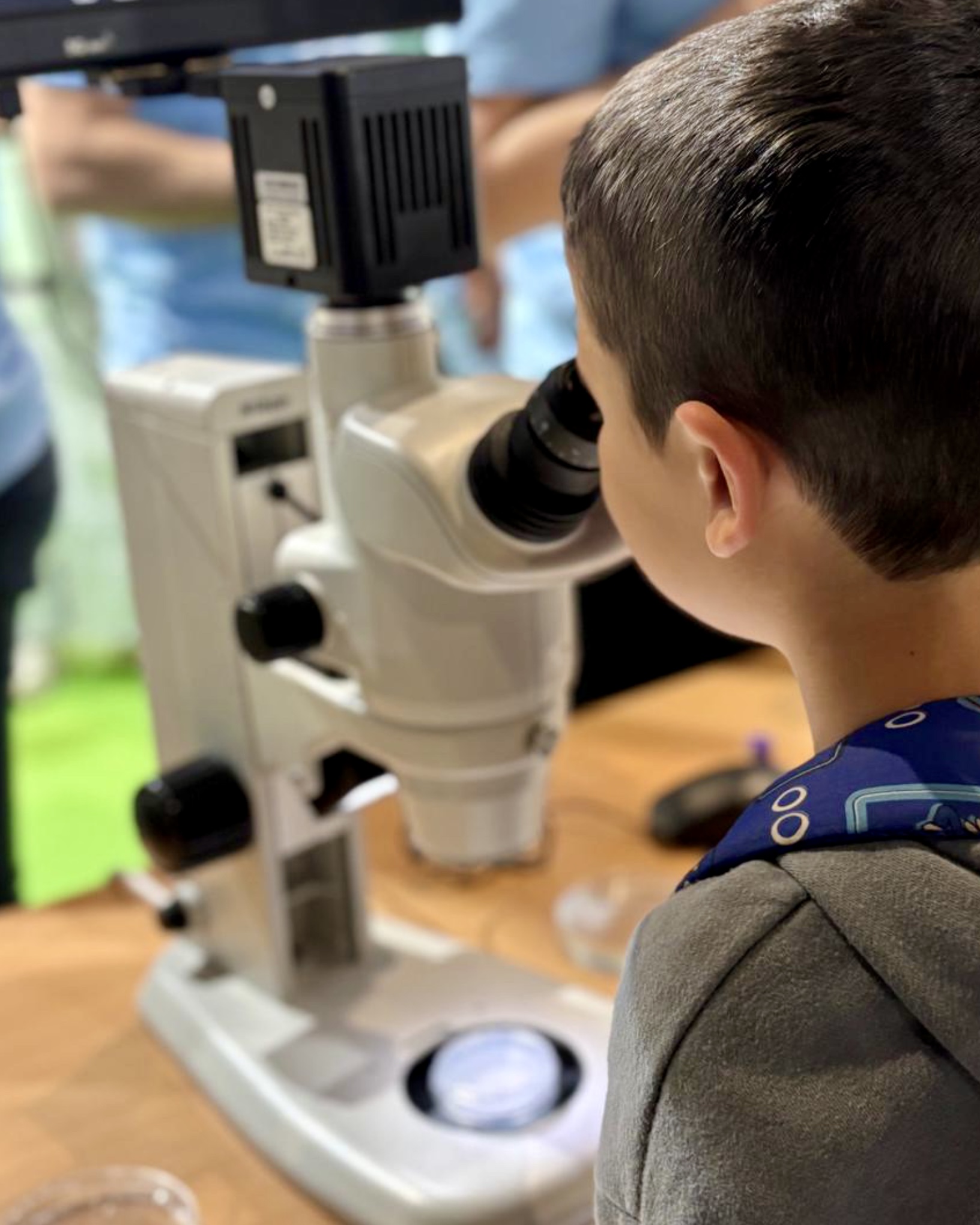
- The environment as the “third teacher”: The classroom is transformed into a functional studio or workshop. There are no rows of desks; the spaces are flexible and designed to encourage collaboration, discussion, the use of specialized reference materials, and the use of advanced technological or artistic tools.
- The Pedagogy of Listening and Documentation: Teachers do not rely solely on exams for assessment; they document students’ thought processes and actions (through photos, journals, and recordings) to reflect together on how students are learning. Likewise, starting in elementary school, students also document and create their own study materials for each curriculum topic, in great detail and using every possible form of expression as a tool (writing, drawing, cooking, painting, music, drama, dance, modeling, architecture, technology...).
- The “Hundred Languages” of the Individual: It is recognized that people of all ages express themselves not only through words, but also through programming code, digital design, body language, experimental science, social activism, music, painting, drawing, modeling, theater, architecture, cooking... It is established as a priority to ensure the use of all possible languages in every research and study process, since otherwise, there is a tendency for only one—that of words—to predominate; this restricts the development of skills in the individual, resulting in a rather impoverishing and limiting experience.
- Teachers as research partners: Educators are moving away from the role of mere conveyors of information to become guides who provide resources and pose new intellectual challenges, viewing the unexpected as a learning opportunity.
Other Distinctive Features
At the Sevilla Reggio Emilia School, learning flows from the heart to the mind, rather than limiting learning to purely intellectual activities. The fact is, we don’t truly learn anything that hasn’t first been experienced through our senses. Boys and girls need to feel that life has meaning, to have a purpose that arises from their own vital needs and inner strengths; for this, it is important that they discover their talents—what they came here to do.
On the other hand, the Reggiano identity is deeply social and democratic, standing out in this regard for two fundamental aspects. First, the teaching partnership. In each classroom, there are usually two teachers who engage in dialogue, exchange ideas, and observe the group’s progress together. Second, the genuine and active daily involvement of families. Parents are not mere users, but active collaborators in school life and in educational decision-making.
Want to learn more?
Centro Docente Privado Extranjero, Homologado por la Junta de Andalucía.
Código de centro educativo: 41023983
Contact
+34 611 620 403 / info@sevillareggioemiliaschool.es
Monday to Thursday from 09:00 to 14:00 and from 16:00 to 18:00, and Fridays from 09:00 to 14:00 *
The afternoon schedule is only available from September 16th to June 22nd
© 2026 Colegio Internacional Reggio Emilia Sevilla.
