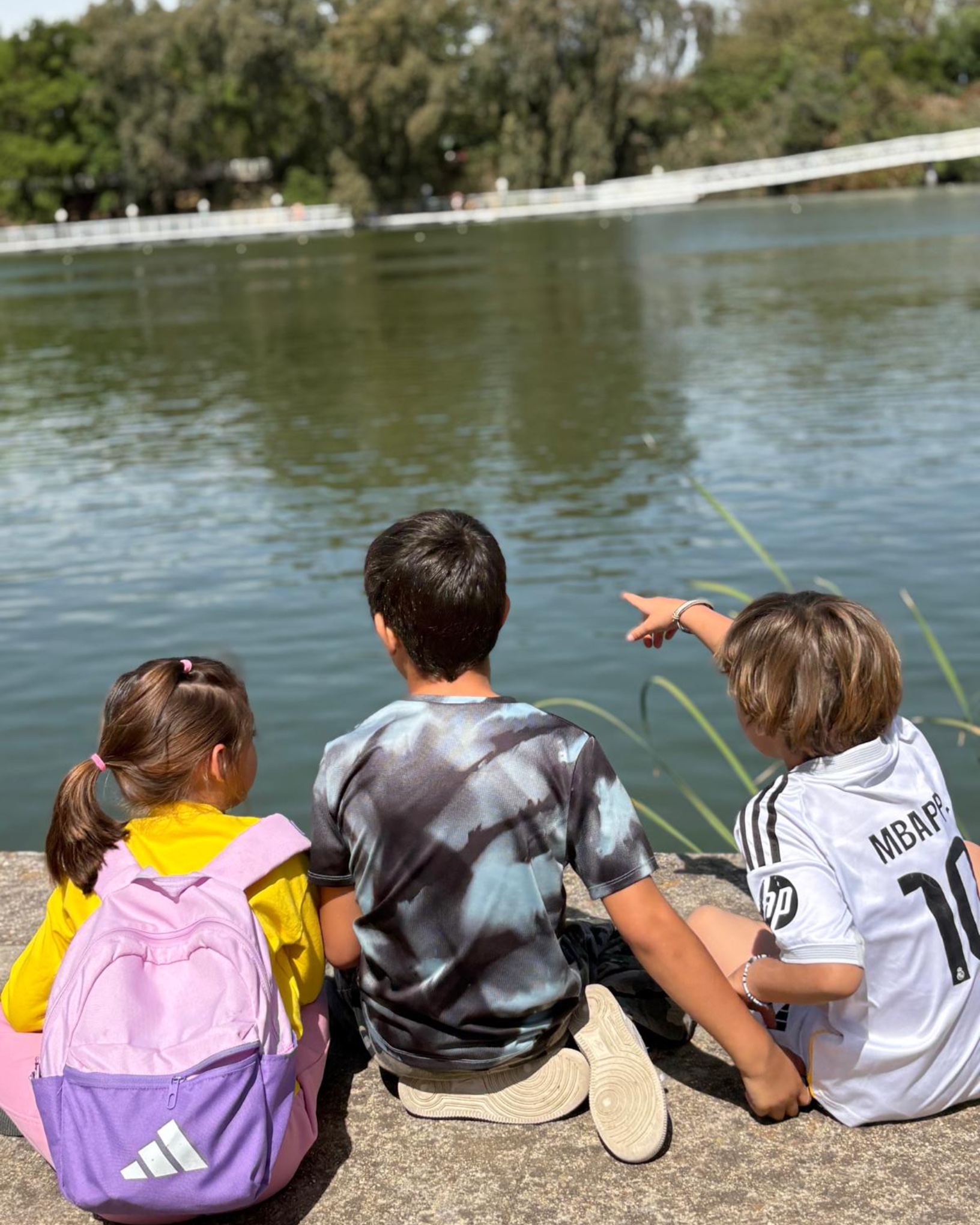
How is learning approached in a Reggio school at the preschool, elementary, and secondary levels?
Reggio Emilia is an educational philosophy based on active inquiry, in which children and adolescents are viewed as citizens capable of constructing complex knowledge. At each stage, the approach is adapted to combine academic rigor with creative exploration.
Reggio Emilia Approach Principles: From Early Childhood to Secondary Education
The Reggio Emilia approach is a revolutionary educational philosophy. It transforms traditional classrooms into dynamic learning environments. While famous in early childhood education, its core pillars also deeply impact elementary school and secondary education.
The following are the core pillars of this pedagogy, adapted for modern schools.
-
Project-Based Learning (PBL) and Authentic Research. Learning organic science, arts, and technology starts with real-world questions.
- Student-led inquiry: Curriculums emerge from authentic questions posed by students and teachers.
- Curriculum integration: The environment triggers the exact questions needed to meet academic standards.
- Guided research: Instead of giving answers upfront, teachers guide students to discover solutions themselves.
-
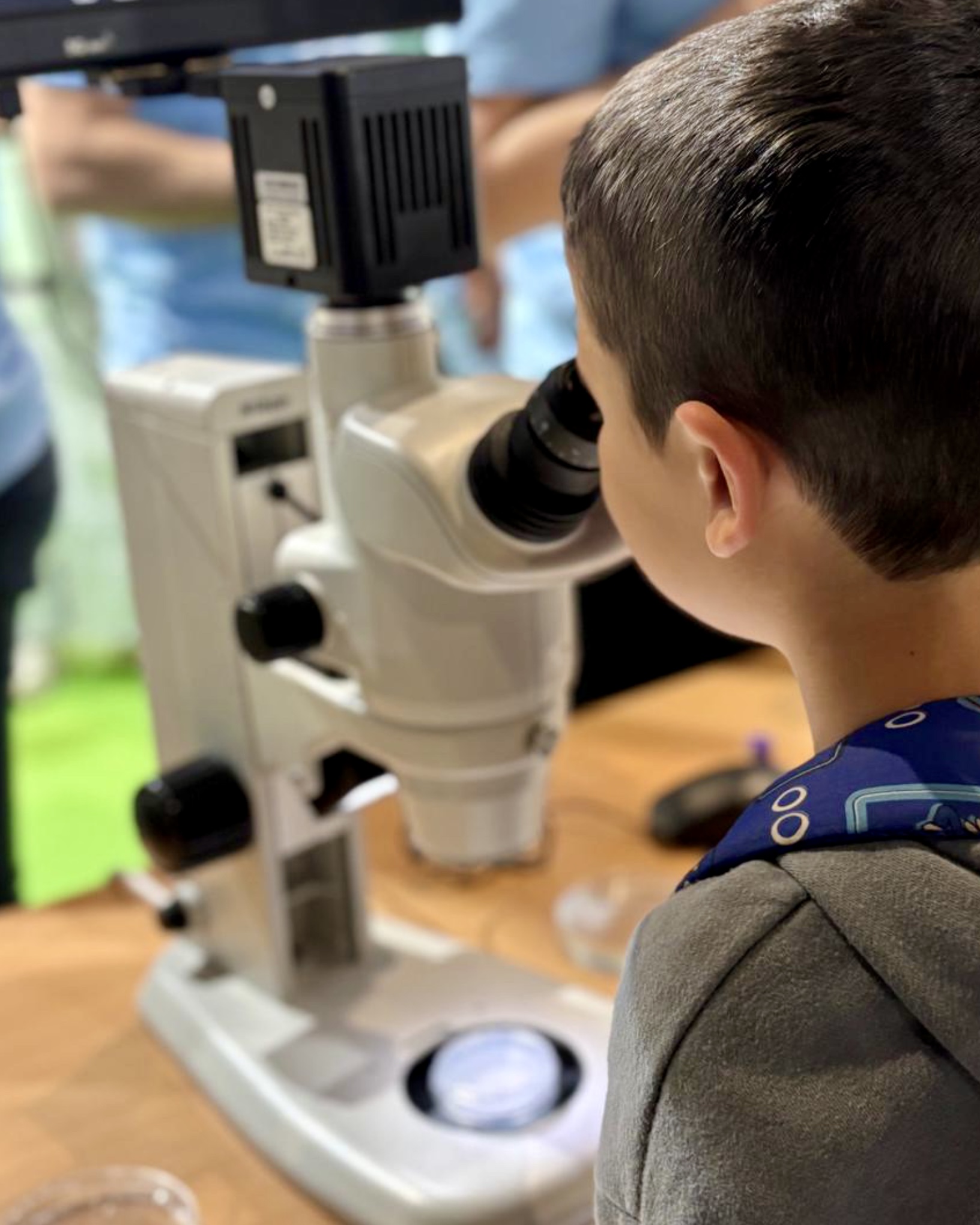
The Environment as the "Third Teacher". Classroom design shapes how students learn, collaborate, and think.
- Flexible spaces: Traditional rows of desks are replaced by functional studio workshops.
- Active collaboration: Layouts encourage open discussion, teamwork, and critical thinking.
- Advanced tools: Students enjoy ready access to specialized reference materials, digital technology, and artistic tools.
-
The Pedagogy of Listening and Documentation. Assessment goes beyond traditional exams to make learning visible.
- Process over testing: Teachers document student thought processes using photos, journals, and recordings.
- Student-led documentation: Starting in elementary education, students create their own highly detailed study materials.
- Multimodal expression: Learners use writing, drawing, coding, and modeling to document their academic journey.
-
The "Hundred Languages" of the Individual. Human beings express knowledge through countless creative and scientific channels.
- Beyond words: Students communicate via digital design, experimental science, music, and social activism.
- Holistic development: Relying only on verbal text limits human potential and restricts skill development.
- Inclusive learning: Incorporating every possible language ensures a rich, diverse, and empowering school experience.
-
Teachers as Research Partners. Educators shift from text-book lecturers to co-investigators.
- Active guidance: Teachers facilitate learning by providing resources and posing intellectual challenges.
- Embracing the unexpected: Mistakes and unpredictable outcomes are treated as valuable learning opportunities.
- Co-learning culture: Staff and students learn alongside each other to build a true intellectual community.
Distinctive Features of Sevilla Reggio Emilia School
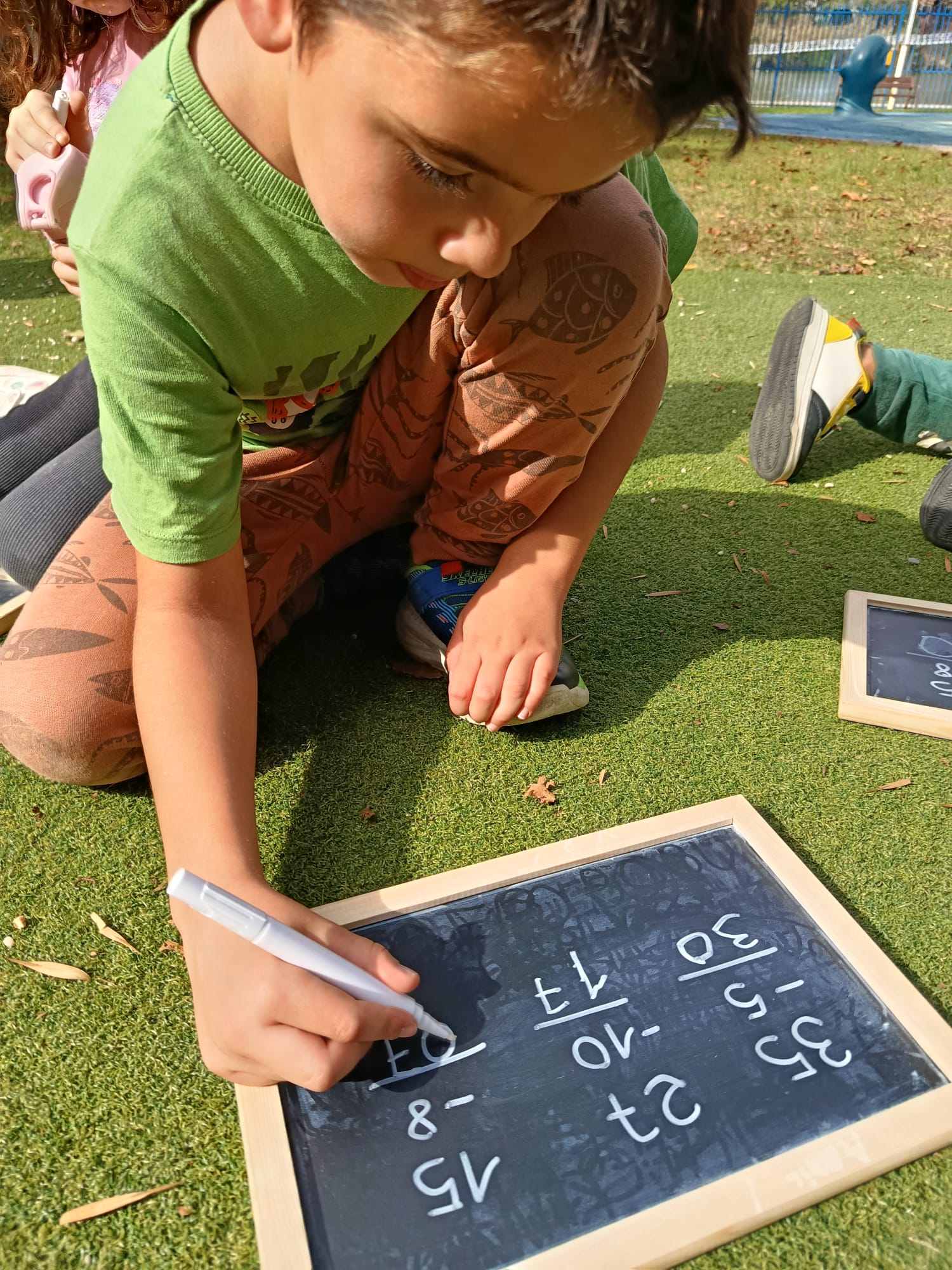
At Sevilla Reggio Emilia School, learning flows from the heart to the mind. We look beyond purely intellectual activities. True learning takes root when it is experienced through the senses.
Our holistic education helps boys and girls find meaning, build on their inner strengths, and discover their unique talents and purpose in life.
-
Sensory and Experiential Learning
- Hands-on discovery: Real understanding begins with sensory exploration.
- Purpose-driven growth: Students connect academic concepts to their vital needs.
- Talent development: We guide children to uncover their natural strengths and passions.
-
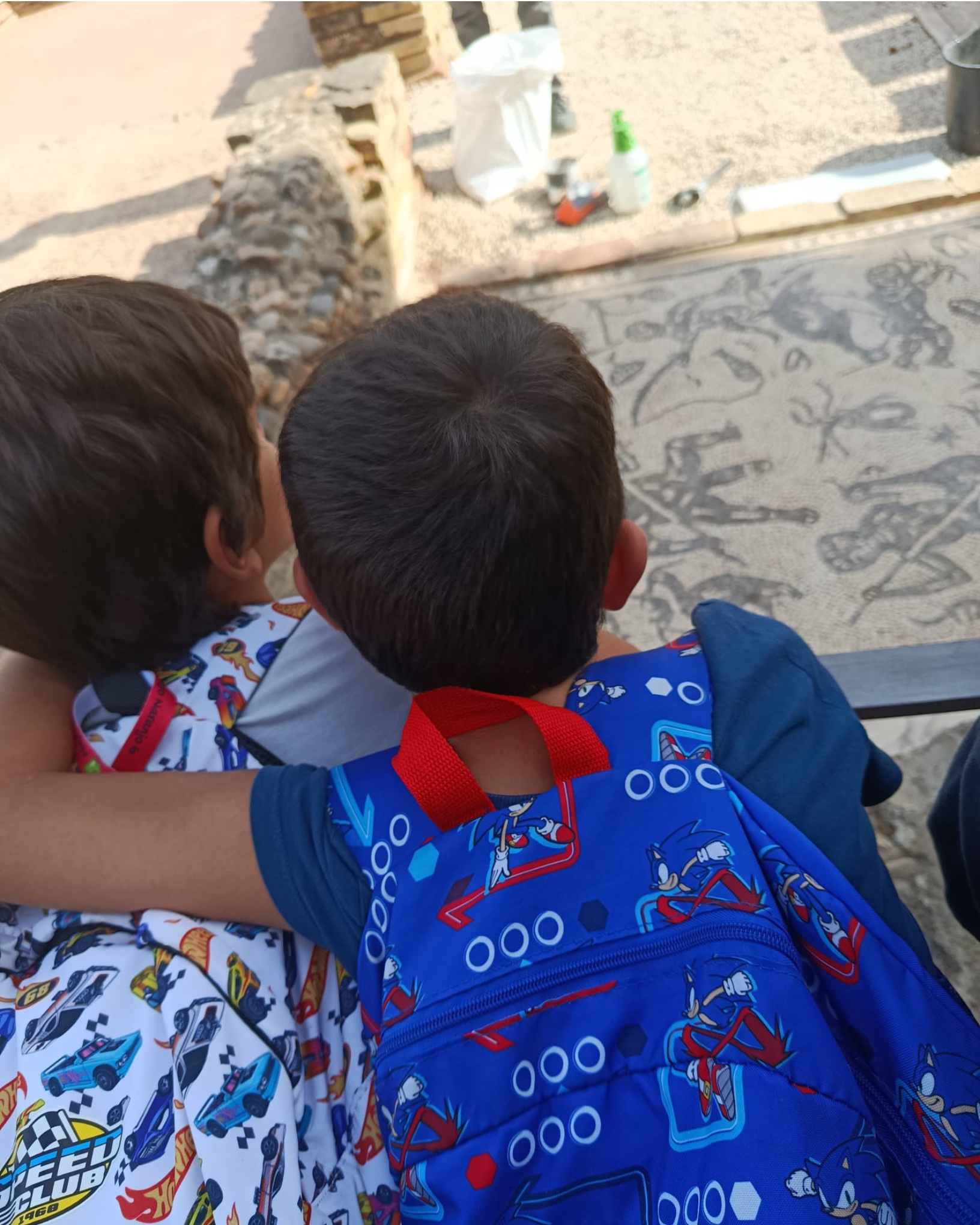
A Deeply Social and Democratic Identity. The Reggio Emilia approach is inherently collaborative. Our school community stands out due to two fundamental pillars:
- The co-teaching partnership: Two educators work together in each classroom. They share insights, exchange ideas, and co-observe group progress daily.
- Active family involvement: Parents are never just passive users. They are active collaborators in school life and educational decision-making.
Want to learn more?